






The conviction of Carl Erik Rinsch, the director known for 47 Ronin, is sending tremors through Hollywood’s often opaque financing structures. The U.S. Attorney’s Office in New York announced that Rinsch was found guilty of wire fraud and money laundering for misappropriating funds provided by Netflix for a science-fiction series. This verdict goes beyond a simple contract failure; it establishes a serious line in the sand regarding the fiduciary responsibility of talent receiving studio funds. The outcome is clear: 47 Ronin Director Carl Erik Rinsch Convicted of Netflix Fraud.
Rinsch was found guilty of one count of wire fraud and one count of money laundering, each carrying a maximum sentence of 20 years. He was also convicted on five counts of engaging in unlawful monetary transactions, each with a 10-year maximum sentence. With sentencing slated for April 17, 2026, the industry is watching closely to see the level of punitive action taken against the director. Will this lead to tighter controls on creative budgets? Probablly.
The Unauthorized Detour: From Set Design to Speculation

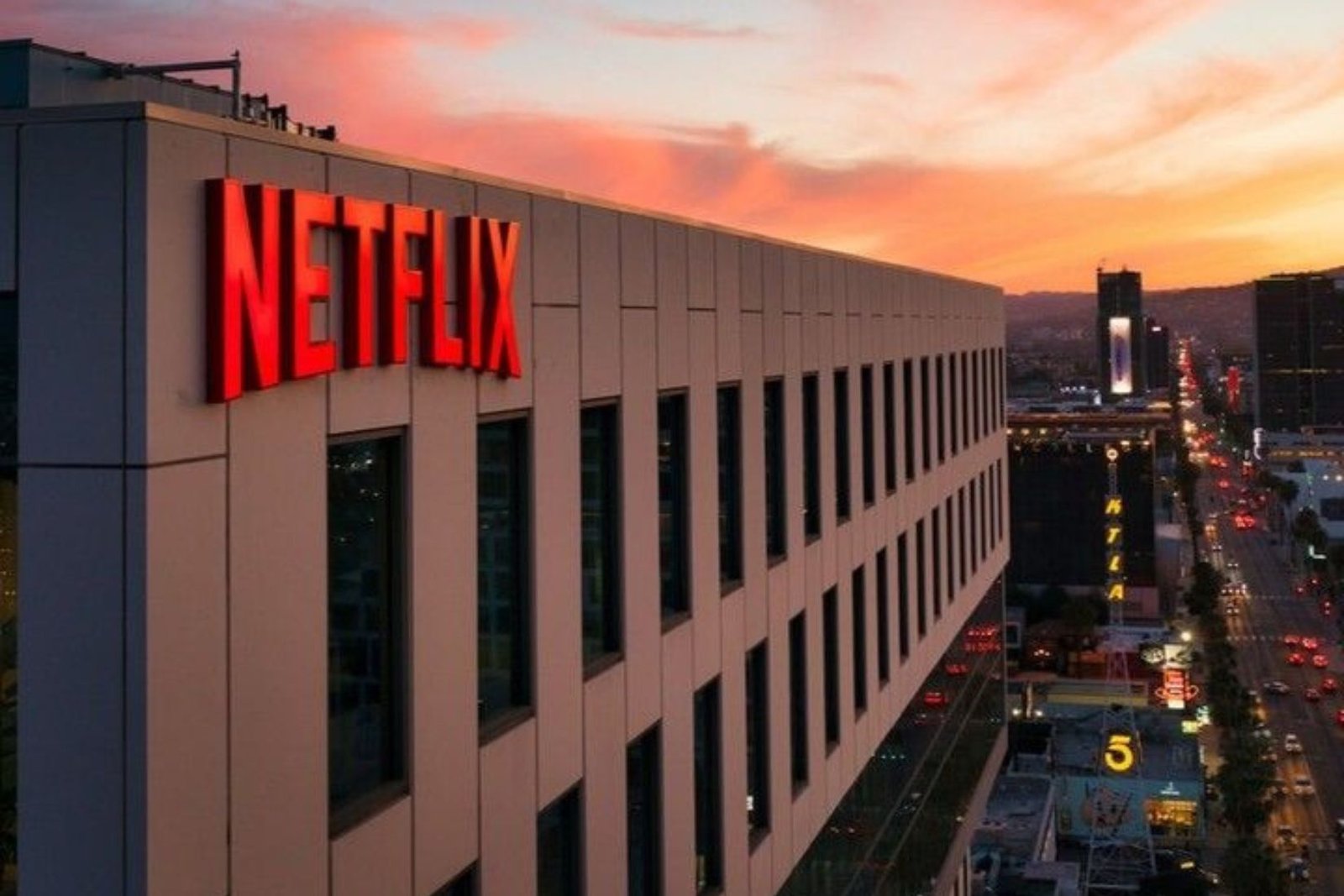
The case centers on funds transferred by Netflix in March 2020, intended to finalize a sci-fi series Rinsch was contracted to produce since 2018. Federal prosecutors confirmed the series was abandoned. The indictment meticulously detailed Rinsch’s subsequent actions: within days of the transfer, he diverted the money through multiple bank accounts into a personal brokerage account. This rapid, unauthorized transfer is precisely what turned a potential contractual dispute into a federal criminal case.
Prosecutors stated the diverted funds were used for speculative securities purchases. The consequences were immediate and dramatic, with the U.S. Attorney’s Office reporting that Rinsch “had lost more than half of them” within two months due to unsuccessful trading. This high-risk behavior is now permanently linked to the fraud conviction. It exposes the immediate danger of mixing production capital with volatile asset speculation.
Dogecoin and the Luxury Spending Spree

Credit from Curlytales
The specific use of the production money included allocations for stock options and cryptocurrency, including the highly volatile meme coin, Dogecoin. While Rinsch allegedly realized a substantial profit on the Dogecoin trade, the fact that the funds were intended for production expenses means the diversion was criminal, regardless of the trading outcome. The use of production funds for speculative trading is a major red flag for studio accountants everywhere.
Further misuse involved millions spent on luxury items, credit card bills, and subsequent cryptocurrency investments. The defense correctly argued that the verdict could set a precedent federalizing creative disputes. However, the prosecution successfully demonstrated that Rinsch’s deliberate movement of funds for personal speculation—using studio capital as his own piggy bank—was the crime. The final verdict against 47 Ronin Director Carl Erik Rinsch Convicted of Netflix Fraud is a loud and clear warning about the financial boundaries in the entertainment industry.